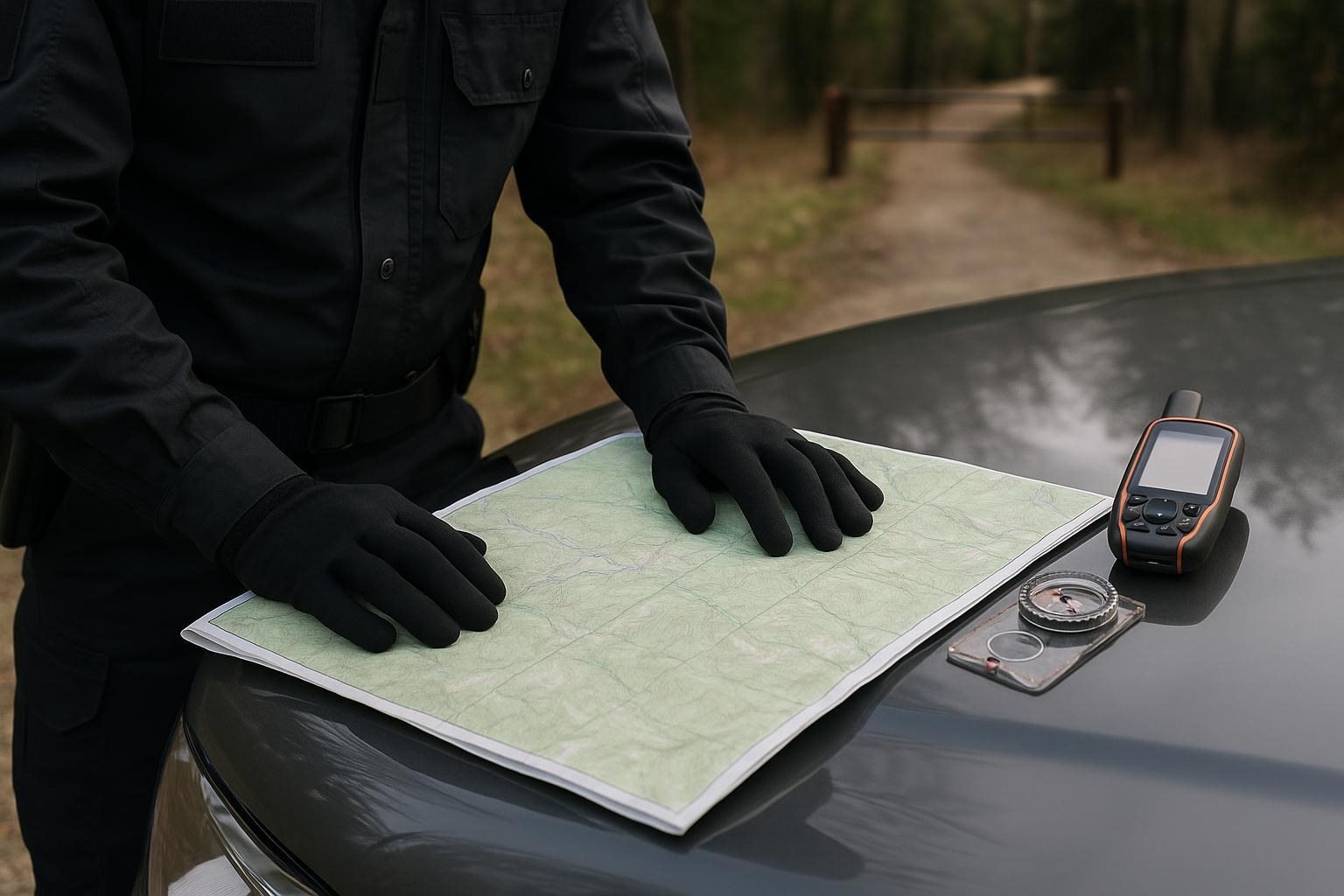
The mixed-ability group outside on a demanding day does not need to be of identical speed and experience. What they need is a fair way of finding out if everyone is ready enough for the activity; a sustainable pace that can be maintained by everyone; and the confidence to speak up as soon as a problem of any kind what so ever starts to develop, which can so easily become a rescue job if it is not spotted before then. Most of all though, the best way to prepare a team for an outdoor team activity is to try to ensure that as many avoidable breakages as possible are prevented from happening in the first place.
Start with an honest readiness check
Start off by having a chat with your group about the route that you'll be taking, the terrain that you'll encounter, the weather, the packing that needs to be done and how long you have to complete the event. Remember, someone who is able to run can have all sorts of problems with hiking up steep uneven terrain, in hot weather and with a loaded pack. Someone with little training could have good country walking skills but struggle with the recovery time between steep hills.
As for preparing for the event, a short training outing of similar distance and terrain would help to gauge a person's ability for prolonged walking and/or hiking over uneven terrain as well as their ability to climb and descend slopes. Try to observe how someone is breathing, how they are balancing, how their feet are coping, how long it takes for them to recover from inclines and also how they are for staying focused and alert over longer distances. As previously mentioned, if someone develops pain of any sort after finishing, gets worse over time, becomes short of breath, feels dizzy, becomes confused or even gets weak then seek medical advice prior to further training.
Build around the slowest sustainable pace
A pace that everyone can sustain for a long time is a conversational one, i.e. they can talk to each other while they are walking. They need to have regular regrouping points where they can all meet up again. On some sections it may be possible for people to go at their own pace and for the group to regroup at a later time but only if the route, visibility etc. are such that it would be safe for them to do so.
Incorporating support from the most experienced participant into the team's overall plan can ensure they are doing something useful for the team, rather than merely galloping off ahead of the group. Instead of leading from the front, the most experienced team member can form up at the back of the group to alleviate pressure on less able participants, taking shared items, navigating tough sections, and generally 'supervising' less able team members along the route.
Ask them 3 simple questions: Has their breathing sorted itself out? Is any pain affecting how they move? Are they still able to speak clearly. Use their answers. They are your operational intelligence and you don't want them to deteriorate any further.
Train the weak links without overloading them
Be sure to develop team members for the demands of the activity. For example, practice hiking on varied surfaces, going up and down hills, balance exercises, and using clothing and foot wear that will be used for the event. Train with packs and special equipment for the challenge that they will be carrying or using. Be sure to gradually add more load to train up weak links and prevent over use injuries to tendons, knees, back and feet.
It means to apply different training quantities to differently equipped team members. The athlete with more experience can go for longer distances or more up hill km's. The less fit athlete does more of the same shorter distance but with more focus on improved walking and kinetic chain efficiency. Recovery time between workouts, quality of sleep, proper hydration and healthy eating all need to be factored into their overall training plan.
Make sure to record the degree of weariness of your partner(s) for several days after the training session. Do not mix up slight, temporary tiredness with pain that changes your gait, with swelling, with numbness etc. Seek the advice of a qualified health professional if the above-mentioned symptoms persist or even worsen after some days.
Use equipment checks to prevent small problems
Small problems with gear can and should be solved before you set off on a trip. Practice wearing your proposed footwear for hikes over longish distances, test out proposed equipment and check that everyone knows how to use shared items such as maps, compasses, first aid kits and stoves. Work out how to attach items to your pack, check the closure of zips on rucksacks, hat and neck gaiters, test out water containers and treat/repel rain layers. Make sure that everyone's headlamp is working and that they know how to use any other team items.
In adding shared gear to a list of supplies that each person will be carrying, try to make sure that the heaviest items are carried by the strongest participants and that each person has easy access to their own individual essentials such as water, a change of clothes, any personal prescription medications, and basic first aid supplies.
It is also important to get the most up-to-date information from the official sources such as weather forecasts, route information, access information and any other land-management information or safety advice. The information and requirements for previous events will not necessarily apply to future events.
Watch symptoms that change the plan
Pain isn't necessarily bad but its pattern can. A single blister on your toe that you've covered can continue to heal but a change in gait due to a blister on your toe could cause further injury. Tight muscles can be loosed with a break but sharp pain, increasing swelling, loss of sensation or weakened use of a part of the body means don't continue to use it and seek proper medical help.
Heat related illness symptoms, unexpected weakness, confusion, fainting, chest pain, shortness of breath that is severe or getting worse, loss of coordination, or other unexpected symptoms require immediate action. The response is to stop activity immediately, move the affected team member to safety and provide appropriate first aid where necessary. Continue on with the event only with emergency services on the scene. Do not continue on with the event because it is behind schedule.
This applies equally to the outfitting of members and the expected weather and route conditions. Be able to spot a damaged sole, failing light, worse weather, risk of a lightning strike, rising water and many other factors that could affect the safety of your members on the planned route. And make these decisions before problems arise.
Make the challenge safer for the whole group
Some people can be assigned specific tasks (e.g. someone follow the route, someone watch the rear, etc.), and it is best to advise the group of how the regrouping will occur, the contact details for an emergency, the point at which the group will turn back, and the expected route out of the area. Guidance on specific regulations for a particular area should be obtained from the responsible official authority. Keep the plan simple enough to be easily remembered when tired.
This way the less experienced members can stop for a break whenever they feel tired without having to admit weakness in front of the others. The fitter team members will soon realize that descending steep dirt roads after long hours of walking is hard work too and will slow down their pace to make sure everyone can follow safely. A good day of hiking is when you still have enough judgment left to deal with any unexpected events that might occur.
Remember to take time to go through a short gear maintenance review after each training session to touch up any rubbing, go over any bottleneck sections on the route and work on your pace not to rush. Check if it is easily possible to reach for water or for an extra layer.