Important Checks Before the Hunting Season, on Public Land
Before you start your hunting trip on land spending some time looking at the path you plan to take is very important. Maps might show a road or trail as open. That might not always be true. Access points can. Some places might close for times of the year or because of wildlife. If you check these things first you make your trip easier. Reduce pressure on animals. You also get ready for changes in your route.
Checking if the Route is Legal and Safe
Using maps can be helpful. You shouldn't depend on them completely. Some maps might show places that're not actually open. Always make sure your route is allowed by asking the group that takes care of the land. Rules can change. Things like fire bans, sudden road closings or new restrictions can happen without warning.
Don't think that just because a gate is open or a path looks often used it's okay to go. Call the people who own the land or the officials in charge to find out if you can go there what you can do and if your route is allowed.
Making a Good Plan for Access
Making an access plan means thinking about your way in and also having other options. Your other route doesn't have to take you to where you want to go. It should let you keep going with your plans whether that is hunting, looking around or going back. Be ready to turn if your main way is blocked by water, work or traffic.
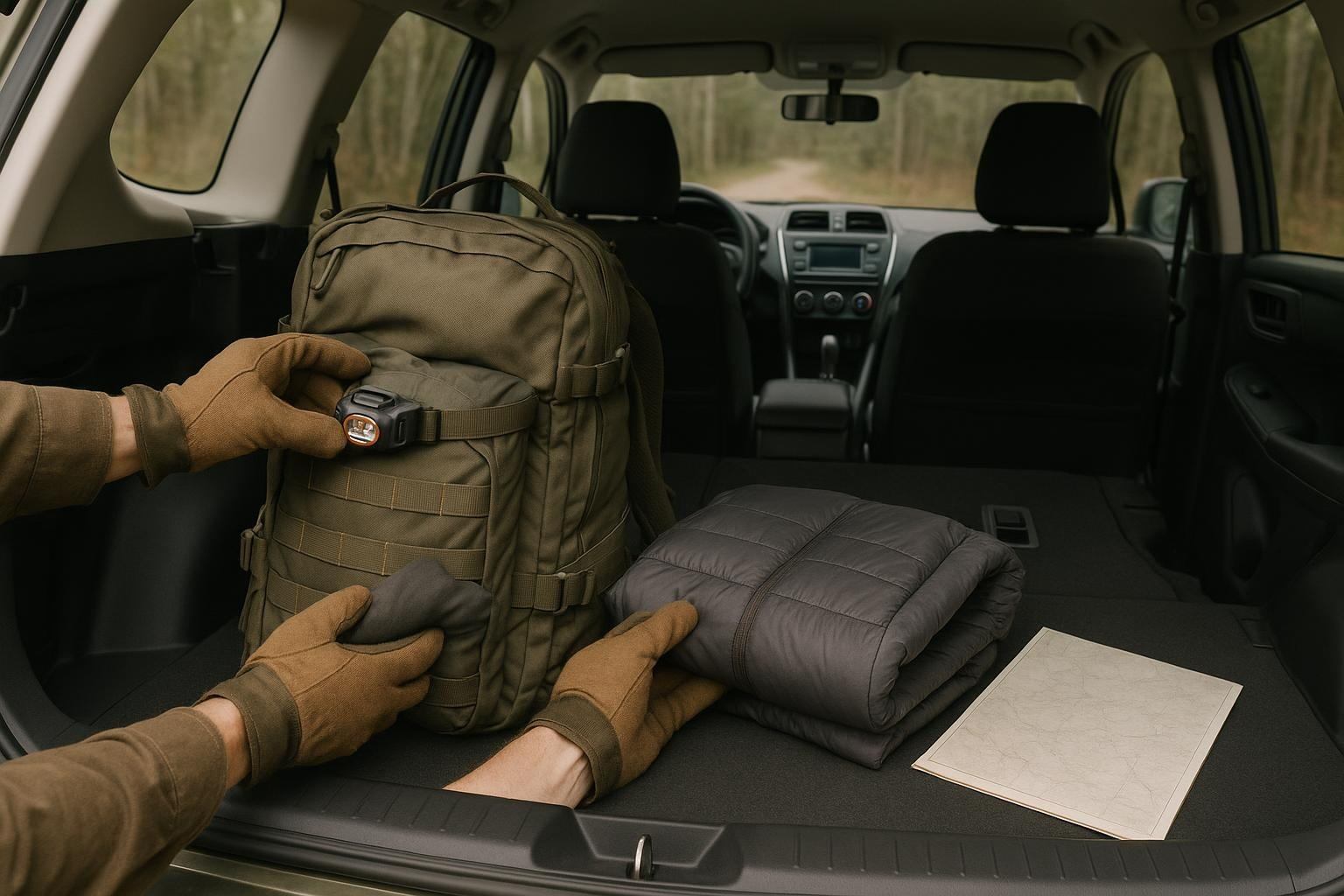
Before you leave decide where you will park your car find the walking paths and know where you can turn around if something goes wrong. Get maps to use without a phone signal and don't just use your phone. Have a paper map, an printed numbers for the people in charge. These can be really useful in places where your phone doesn't work well.
Think about how you will drive. Going deeper might seem faster. It could damage the road or leave you stuck. Parking close might block others. Stop emergency vehicles. Choose a way that helps protect the land even if it means carrying your things a bit
Thinking About the Land Before You Go
A good outdoors person knows how their movement can affect the environment. Traveling can cause dents in the land that change how water flows and cause long-term damage. Taking shortcuts or using paths that aren't meant for people can create trails that harm the surroundings. For example crossing a stream in the place can hurt fish during breeding times.
To leave less of a mark stay on the paths that're already there and on ground. Never move barriers or drive past signs. If a trail is getting worn take another way to help keep it from getting worse.
Also when you pick where you will hunt make sure it follows the rules and is good for the environment. A place might be okay to use. It might not be the best. Be aware of people, paths and animals nearby. Choose spots that have backstops and are away from others. Safety and how you affect the land should be your guide, not how animals you think are there.
Knowing the Rules and Permits
Be aware of the rules for hunting on land since they can be different in each place. Some areas might have rules about parking staying overnight fires and using vehicles. Getting a hunting permit doesn't mean you don't need to know the rules. Check everything carefully.
Always use the official sources to get the details for the place where you plan to hunt. This includes checking when the season starts and ends what kinds of hunting are allowed, how animals you can take and what you need to report. These rules can. It's your job to know them. Write down where you got your information and be ready to ask the people in charge if you're not sure.
Before You Go Checklist
– Make sure you know who is in charge and what the access rules are.
– Check the edges of the land if you are allowed to be and if there are any times when it's closed.
– Look at the rules for parking and driving on the land.
– Find out about the rules for the animals you want to hunt the ways you can hunt and what you need to report.
– Get maps. Plan how you will find your way.
– Tell someone where you are going when you plan to come and how they can reach you if something changes.
Going through this list can help you avoid problems and unsafe situations, which also helps reduce the need for help from emergency services.
Being Respectful and Responsible in the Outdoors
Safety isn't about your actions but also how you act around others when you are out there. Wear clothes when you need to and talk calmly with hunters to avoid arguments. If you see someone on the land don't talk to them directly. Write down where they are and tell the people about your concerns.
If you are hunting with a group make sure everyone knows the places you can go the paths you will take the cars you are using and when you plan to come. Stay in touch especially if your plan changes. Watch the weather while you are out and decide before you start when it's time to go back.
When you use guns follow the safety rules. How to take them apart. Be careful with your gear around others and in places you don't know. Your safety depends on making choices of rushing.
Being Ready for Changes
Understand that things can change. Weather, work being done or animals moving can affect your access. Always check your information again before you leave and stay aware all day.
Sometimes you may need to make your trip shorter change your plans or even cancel. Being able to change helps show respect for the rules, the land and shows that you don't push through when things are not good.
In the end checking your access before you go is more than checking a list. It helps set the trip up. Thoughtful planning shapes how you act on the land and helps keep it safe for people, in the future.