Before leaving for a day outdoors, decide whether each item in your pack solves a real problem or reflects habit. Unnecessary weight can slow a return trip, while a missing layer, light or navigation aid can make a routine outing difficult. A practical gear audit ties preparation to the route, weather, legal requirements and the animal or habitat involved.
Start with the outing, not the equipment
Consider a hunter walking a familiar loop, checking a legal hunting area and returning before dark. The pack has accumulated extra clothing, duplicate tools, old food wrappers, "just in case" items and equipment suited to a longer trip. The answer is not to remove weight at random. First define the outing.
Record the expected distance, terrain, forecast, daylight, communication limits and the time someone should expect your return. Then consider what could extend the trip: a slower route, poor visibility, a vehicle problem or the need to assist someone. A short outing still needs a safety margin, but it should match the conditions rather than justify an unexamined load.
Separate protection from convenience
Lay out the contents by function: shelter and warmth, water and food, navigation and communication, first aid, lighting, tools, hunting equipment, personal items and waste management. For each item, ask: What hazard does it address? Can another item do the same job? Can I use it under stress, cold or low light?
A spare layer, rain protection, usable light, charged communication device and basic first-aid supplies generally serve clear purposes. A duplicate knife, dead battery, damaged cord or tool carried only from habit does not. Lightweight gear helps when it preserves capability; it is not automatically safer because it weighs less.
Check condition as well as presence. Test lights, inspect straps and closures, replace leaking containers, confirm batteries are suitable and ensure clothing fits over the layers you expect to wear. Pack essentials where they can be reached without emptying the load.
Use a field safety checklist that reflects real failure points
A checklist should catch omissions, not create paperwork. For this scenario, review:
– Route, weather and daylight are checked; a trusted person has the plan and expected return time.
– Water, food and an extra insulating or weatherproof layer match the conditions.
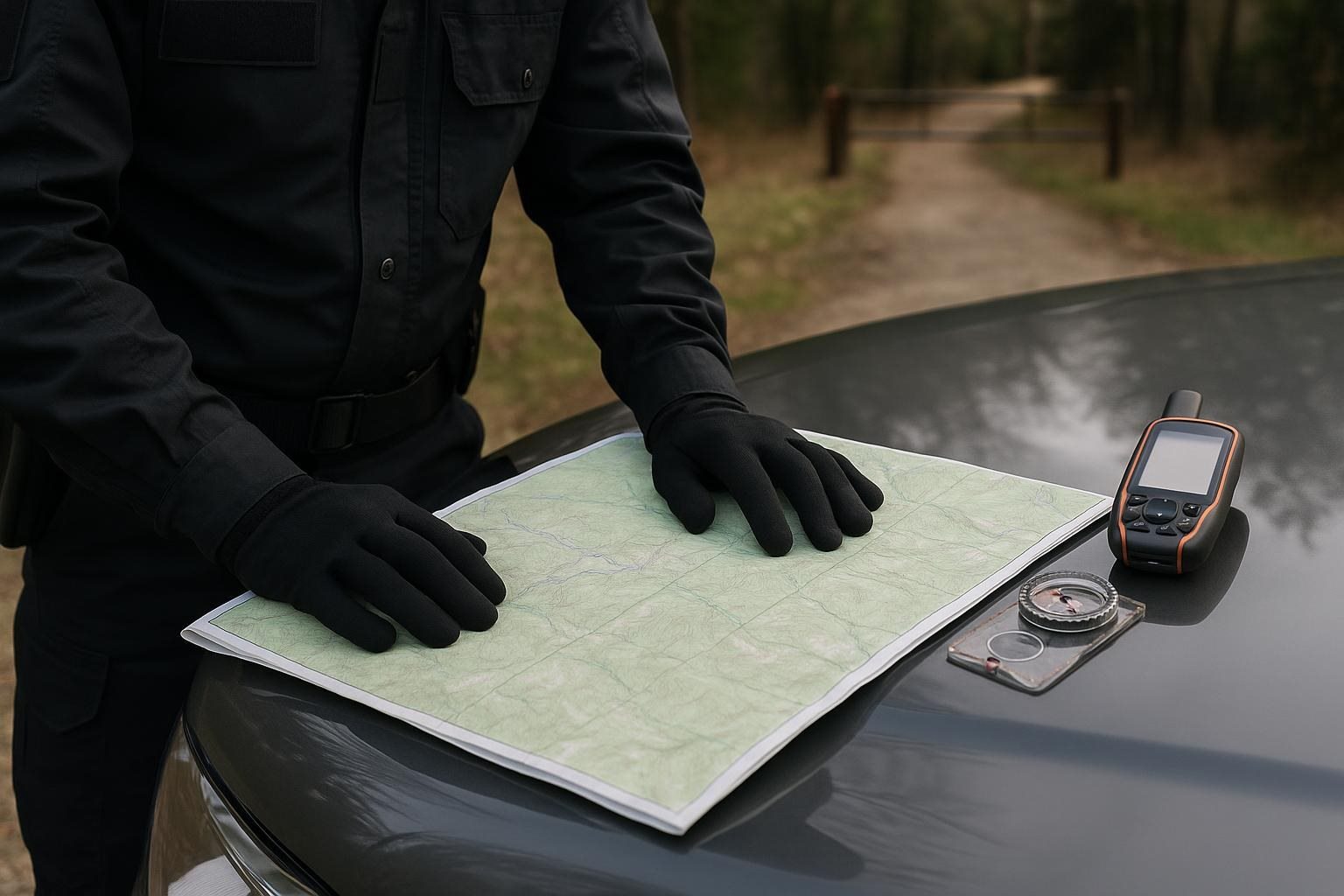
– Navigation tools work, with a paper or offline backup where appropriate.
– The communication device is charged and protected from moisture; emergency contacts are accessible.
– First-aid supplies are complete, familiar and easy to reach.
– Fire, light and repair items are legal and usable without improvisation.
– Hunting equipment is unloaded and secured during transport, and handling follows local safety requirements.
– Licenses, permits, identification, tags and reporting materials are present.
– Trash, food scraps and scent-producing materials can be packed out.
The list should change with the trip. A wooded walk near a vehicle may need less redundancy than remote, rough terrain. Anyone with a medical condition, new medication or limited mobility should account for those factors directly rather than rely on a generic list.
Trim weight without trimming resilience
Weight usually disappears through small decisions. Wear the clothing you are most likely to need, combine compatible functions when doing so does not create a single point of failure, and remove packaging before leaving. Refill consumables in secure containers, but retain labels or essential instructions when identification matters.
Do not reduce safety equipment to meet an arbitrary pack weight. A fragile rain shell, tiny light with limited battery life or tool too small for cold hands may save ounces while reducing capacity. Test performance instead: can the item work in expected conditions, and can you repair, replace or safely abandon it if it fails?
Rehearse awkward tasks at home. Practice putting on the extra layer, finding the light, reading the map and securing equipment while wearing gloves. This exposes problems a kitchen-table inspection misses.
Let ethics and habitat shape the load
Preparation can reduce pressure on wildlife and land. Carry bags for waste, avoid unnecessary disturbance around bedding or nesting areas, and plan routes that limit trampling, erosion and damage to sensitive vegetation. A familiar place cannot absorb unlimited traffic simply because access is convenient.
Hunting ethics extend beyond the shot. Identify the target and what lies beyond it, know the limits of your equipment and skill, and pass on an opportunity when conditions are uncertain. Bring only equipment you understand well enough to use responsibly. A heavier pack cannot compensate for poor judgment, rushed identification or disregard for another person's safety.
Check current conservation regulations before the trip, including season dates, licensing, legal methods, access restrictions, tagging or reporting rules and requirements for the species or area. Regulations change, and older websites or social media may be incomplete. Use the responsible authority's current guidance and record what you verified.
Recheck after the outing
The audit is not finished when the pack is zipped. After returning, note what was used, what failed, what was difficult to reach and which conditions differed from the plan. Remove damp clothing to dry, clean equipment according to its instructions, dispose of waste properly and replace consumables.
Look for repeated evidence. If an item remains untouched across ordinary trips, move it to a separate remote-trip kit. If an essential item is consistently hard to use, address its design or your familiarity with it rather than simply carrying more. If weather, access rules or habitat conditions changed, update the plan instead of adding gear.
A sound gear audit leaves the field kit leaner but not careless. It supports a safer return, clearer ethical choices and less avoidable impact on the places people enjoy.